Newsdesk
Iran Tensions Escalate Amid Stalled Nuclear Talks and Strait of Hormuz Crisis
What happened
Tensions in the Middle East have intensified as the conflict in Iran continues to evolve, marked by stalled nuclear negotiations and a critical crisis in the Strait of Hormuz. This strategic waterway, crucial for global energy transport, is facing severe disruptions, leading to widespread concerns about energy security and geopolitical stability.
The 2026 Iran war, which began on February 28 with U.S.-Israeli strikes targeting Iranian military and nuclear sites, has reportedly entered a fragile post-ceasefire phase. A tentative truce was brokered in early April with the help of Pakistani mediation, but core disputes remain unresolved, particularly surrounding Iran's nuclear ambitions and regional activities.
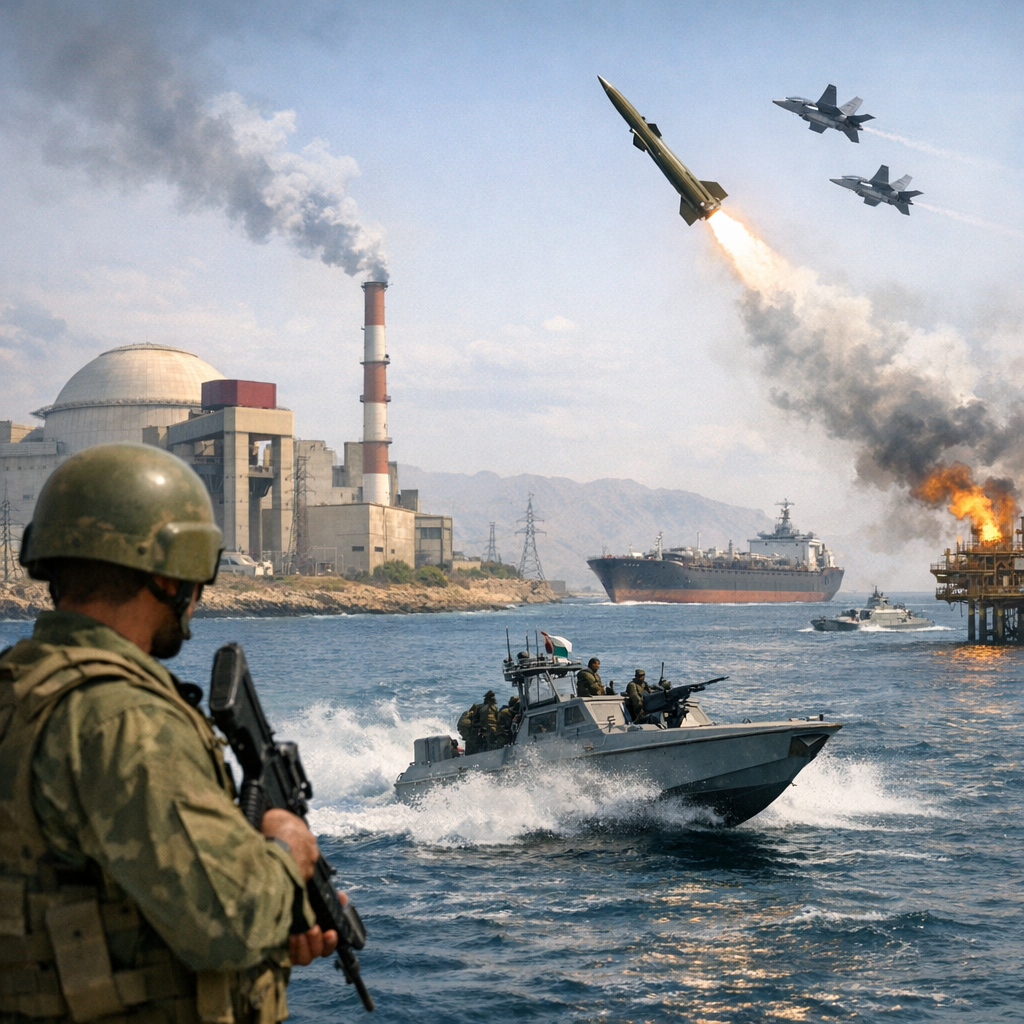
Strait of Hormuz Crisis
The Strait of Hormuz, through which approximately 20-25% of the world's seaborne oil passes, has been declared "closed" by Iran as a response to the military strikes. This has led to attacks on shipping and a U.S. naval blockade on Iranian ports. Limited commercial traffic has resumed, but a full reopening remains uncertain.
Iran has proposed negotiations that prioritize reopening the strait and lifting the blockade before addressing nuclear issues. Conversely, the U.S. insists on verifiable de-escalation and opposes any Iranian tolls on international waters.
During a recent summit in Beijing, President Trump and President Xi Jinping emphasized the necessity of keeping the strait open for energy flows, with Xi offering China's assistance in brokering peace and pledging not to supply military equipment to Iran. This move highlights China's interest in maintaining energy security amid rising tensions.
Nuclear Negotiations at an Impasse
Nuclear talks between the U.S. and Iran remain stalled. The U.S. demands that Iran abandon its enrichment capabilities and surrender stockpiles of highly enriched uranium, while Iran seeks recognition of its enrichment rights and sanctions relief. Proposed phased approaches to address the strait and immediate hostilities have not bridged the gap in negotiations.
Analysts warn that ongoing uncertainty could lead to renewed escalation, as both sides remain entrenched in their positions.
U.S.-China Dynamics and Taiwan Linkage
The ongoing crisis in Iran is increasingly intertwined with broader U.S.-China relations. During the summit in Beijing, Xi issued a stark warning regarding Taiwan, indicating that mishandling the situation could lead to significant clashes. This underscores how instability in the Middle East may divert U.S. resources and attention, potentially affecting deterrence in the Indo-Pacific region.
U.S. arms support for Taiwan remains contentious, with reports of stalled packages amid the shifting diplomatic landscape.
Broader Regional Issues
The conflict has precipitated humanitarian challenges, with thousands of casualties and significant displacement, particularly in Lebanon and Iran. Reconstruction efforts are hampered by ongoing tensions and sanctions.
In addition, proxy conflicts involving groups like Hezbollah and the Houthis continue, despite ceasefires. Gulf states, including Saudi Arabia, are exploring frameworks to stabilize the region amid these ongoing conflicts.
Economic repercussions are palpable, with elevated global fuel prices contributing to energy crises in Asia and Europe. War risk insurance for shipping has surged as a direct consequence of the escalating situation.
War Powers and U.S. Domestic Context
The U.S. military actions in the region have raised questions regarding congressional oversight of war powers. The current administration argues that these actions fall under existing authorities for self-defense and allied support.
Outlook
Diplomats express cautious optimism for incremental progress regarding the Strait of Hormuz, which could alleviate some energy pressures. However, fundamental disagreements over Iran's nuclear program and its regional influence suggest a long road ahead for achieving lasting stability. The interplay with Taiwan and broader great-power competition adds complexity to the already volatile situation.
Analysts caution that miscalculations in any theater—be it the Strait of Hormuz, nuclear sites, or the Taiwan Strait—could quickly escalate into a wider conflict.
What’s next
As developments unfold, the situation remains fluid. Continued monitoring of negotiations, energy markets, and security developments is essential for understanding the evolving dynamics in the region.
Editor’s note: This article is based on various social posts and reports. Details may change, and readers should follow official sources for the latest updates.