Gistcrier
Pentagon's Watchdog Launches Investigation into U.S. Strikes on Suspected Drug Boats
Overview
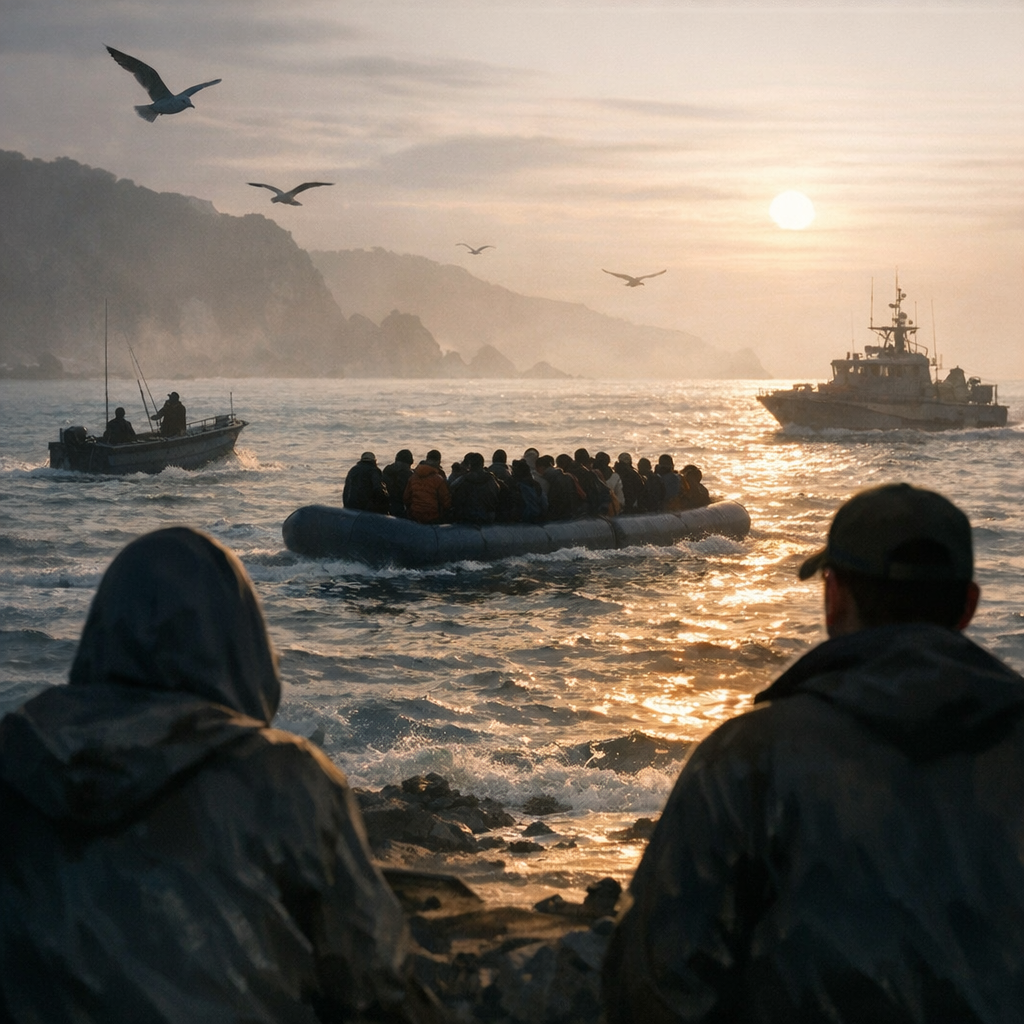
The Pentagon's internal watchdog has announced an investigation into recent U.S. military strikes targeting boats in the Caribbean, which were reportedly involved in drug trafficking activities. This probe aims to assess the legality and operational effectiveness of these strikes, raising questions about the military's role in combating drug smuggling in the region.
Background on the Strikes
The strikes in question have been part of a broader U.S. strategy to disrupt drug trafficking routes that are believed to be utilized by various cartels. Officials have indicated that these operations are intended to protect U.S. interests and combat the influx of illegal drugs into the country. However, the actions have sparked debate regarding their justification and the potential for civilian casualties.
Recent reports have highlighted concerns among lawmakers and human rights advocates regarding the transparency and accountability of military operations targeting drug-related activities. Critics argue that such strikes may not only violate international law but could also lead to unintended consequences, including harm to innocent civilians.
Investigation Details
The Pentagon's inspector general will lead the investigation, which aims to gather information on the decision-making processes that led to the strikes, as well as the rules of engagement that were employed. This inquiry may also evaluate the intelligence used to justify these military actions.
Officials have emphasized the importance of ensuring that military operations adhere to legal standards and respect human rights. The results of this investigation could potentially lead to changes in how the U.S. conducts its anti-drug operations in the Caribbean and beyond.
Implications
The outcome of the Pentagon's investigation could have significant implications for U.S. military policy regarding drug trafficking. Should the inquiry reveal lapses in protocol or legality, it may prompt calls for reform in how military resources are utilized in domestic drug enforcement efforts.
Additionally, this investigation comes at a time when the U.S. is facing increasing scrutiny over its military operations abroad, particularly in contexts that intersect with domestic issues such as drug abuse and trafficking. As such, the findings may influence public perception and policy decisions moving forward.
What’s Next
As the investigation unfolds, it will be crucial for the Pentagon to maintain transparency with the public and stakeholders. The findings of this inquiry are expected to be released in the coming months, and they will likely provoke further discussions about the role of military force in addressing drug-related crimes.
Readers are encouraged to follow official updates from the Pentagon and related agencies as more information becomes available.
This article was produced from publicly available reports. Read more at the original source.