Newsdesk
Trump and Xi Conclude Landmark Summit in Beijing Amid Tensions and Trade Talks
What happened
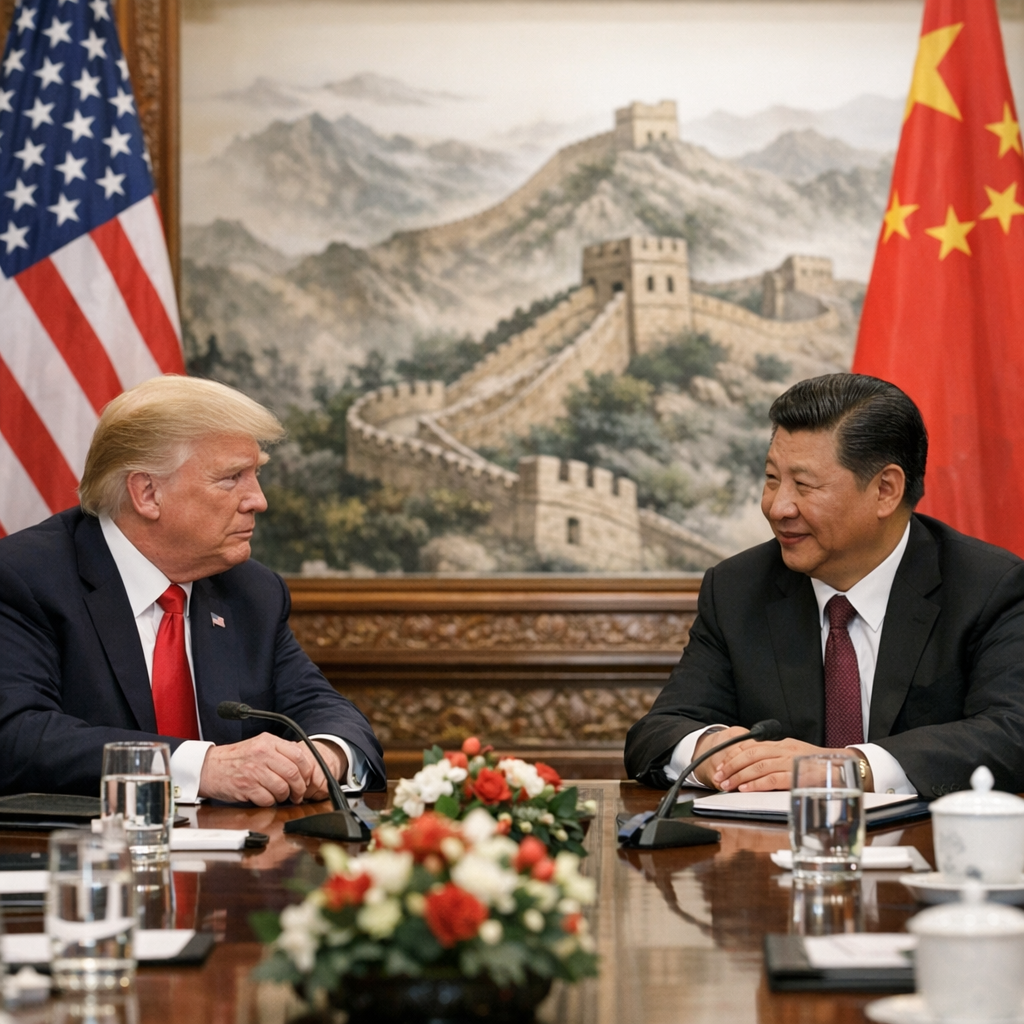
President Donald Trump concluded a pivotal two-day summit with Chinese President Xi Jinping in Beijing on May 15, 2026. This visit marked the first time a sitting U.S. president has traveled to China in nearly a decade. The summit was characterized by a tone of cooperation and stability, despite ongoing tensions regarding Taiwan, trade imbalances, and the conflict in Iran.
The summit featured elaborate ceremonies, including a grand red-carpet reception for Trump, a 21-gun salute, and performances by schoolchildren. The leaders also toured significant cultural sites such as the Temple of Heaven and participated in a state banquet where they discussed mutual interests and future collaboration.
Key Moments and Pageantry
The pageantry of the summit was notable, with both leaders emphasizing personal rapport. During the state banquet, Xi toasted to the idea that the aspirations of the Chinese nation and American greatness could align. Trump responded by inviting Xi to visit the White House on September 24, highlighting the desire for ongoing dialogue.
Substantive Discussions: Taiwan, Trade, and Iran
Despite the cordial atmosphere, significant issues were addressed:
- Taiwan: Xi issued a stern warning regarding Taiwan, indicating that mishandling the situation could lead to serious conflicts, which he referred to as the “Thucydides Trap.” This concept warns of the dangers that arise when a rising power challenges an established one.
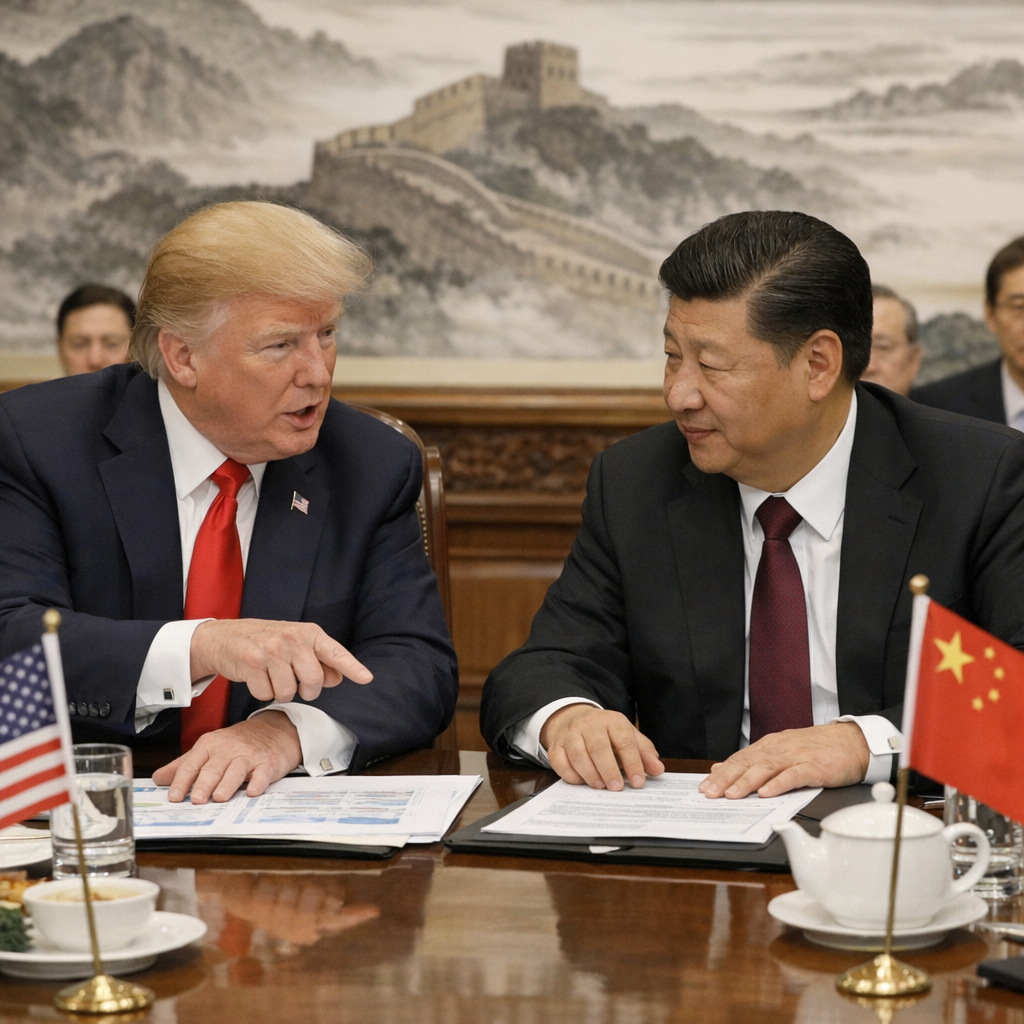
- Trade: The discussions included extending the truce established in the previous fall, with a focus on increasing Chinese purchases of U.S. agricultural products, Boeing aircraft, and energy resources. U.S. officials emphasized the need for reciprocal market access and proposed the establishment of bilateral Boards of Trade and Investment. Tech industry leaders like Tim Cook (Apple), Elon Musk (Tesla), and Jensen Huang (Nvidia) accompanied Trump, advocating for business interests, particularly in rare earth minerals and technology cooperation.
- Iran: Both leaders agreed on the necessity of keeping the Strait of Hormuz open amid ongoing disruptions. Trump noted that Xi offered assistance in brokering peace and confirmed that China would not supply military equipment to Iran, aligning both nations against Iran’s potential nuclear ambitions.
Reactions and Context
The summit comes at a time of global economic uncertainty driven by the conflict in Iran, fluctuations in energy markets, and the U.S. efforts to rebalance trade. Analysts view the talks as a modest step toward predictability rather than a groundbreaking resolution to the existing issues. Taiwan expressed gratitude for the U.S. support, while global markets remained attentive to potential changes in tariffs and supply chains.
Trump is expected to leave Beijing later today, describing the summit as a success in stabilizing U.S.-China relations. Xi’s administration is preparing for continued engagement, including reciprocal visits in the future.
What’s next
Looking ahead, follow-up working groups on trade and investment are anticipated, along with discussions on tariff extensions and increased diplomatic efforts regarding the Middle East. The upcoming visit by Xi to the White House in September could provide another opportunity for deeper agreements.
This summit highlights the intricate balance of competition and cooperation that defines U.S.-China relations in 2026. As Trump noted, direct communication is key to resolving ongoing challenges.
Editor’s note: This article is based on social posts and may be updated with further details as they become available. For the latest updates, please follow official sources.